

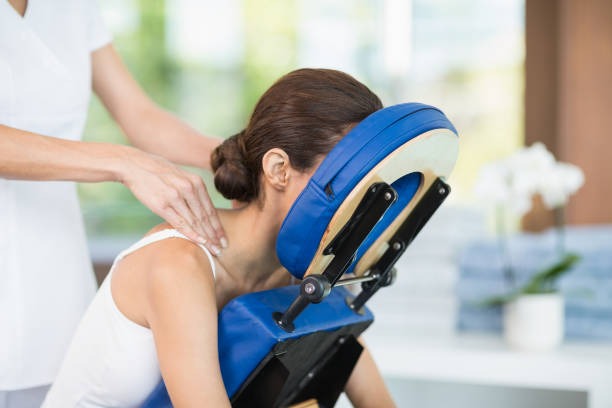
In today’s market, massage chairs have become increasingly popular as people seek convenient ways to relax and alleviate muscle tension at home. With numerous options available, consumers often rely on reviews to make informed purchasing decisions. However, not all reviews carry the same weight or reliability. Professional testing of massage chairs offers a far superior evaluation compared to basic user-generated reviews or superficial assessments found online.
One of the primary reasons professional testing outshines basic massage chair reviews is the depth of expertise involved. Professional testers typically possess extensive knowledge about ergonomics, biomechanics, and the technology behind massage mechanisms. Their evaluations are grounded in scientific principles rather than personal preference alone. This expertise allows them to assess critical features such as roller movement patterns, intensity levels, heat functions, airbag compression quality, and overall durability with precision and accuracy.
Furthermore, professional testing employs standardized methodologies that ensure consistency across different models being reviewed. Testers use controlled environments where variables such as room temperature and user positioning remain constant during trials. This level of control eliminates bias caused by external factors that might influence user experiences in casual reviews. As a result, consumers receive objective data on performance metrics like noise levels, power consumption, motor strength, and maintenance requirements.
Another advantage lies in the comprehensive nature of professional reports. Unlike brief online comments or star ratings which may highlight only one aspect-such as comfort or price-professional assessments cover every dimension relevant to potential buyers. They analyze design aesthetics alongside functional effectiveness while considering long-term usability including warranty terms and customer support quality from manufacturers.
Moreover, professionals often test multiple units over extended periods instead of relying on single-use impressions typical among everyday reviewers who might try a chair for just minutes before sharing opinions online. Long-term usage provides insights into wear-and-tear issues that could affect satisfaction down the line but go unnoticed in short-term trials.
Basic massage chair reviews can also be influenced by subjective biases stemming from individual expectations or isolated negative experiences unrelated directly to product quality-for example delivery problems or improper assembly-which can distort overall judgment unfairly against certain brands or models.
In contrast, professionally conducted tests aim for impartiality backed by repeatable results verified through rigorous procedures including mechanical measurements and sometimes even clinical feedback from users experiencing therapeutic benefits under expert supervision.
Ultimately, investing time in consulting professional testing reports empowers consumers to choose massage chairs that truly meet their needs rather than relying solely on anecdotal evidence prone to exaggeration or misinformation. The nuanced understanding provided helps avoid costly mistakes when purchasing these sophisticated devices designed for health improvement and relaxation enhancement.
In conclusion, while basic massage chair reviews offer quick snapshots based largely on personal opinion without thorough validation processes; professional testing delivers detailed analyses rooted in technical know-how combined with systematic experimentation ensuring reliable recommendations tailored toward maximizing value for buyers seeking effective wellness solutions at home.